

If you’re searching for a clear explanation of edge computing basics, you’re likely trying to understand how data processing is shifting closer to devices—and why that shift matters for performance, security, and scalability. As AI workloads expand and connected devices multiply, traditional cloud-only models can’t always keep up with latency demands and bandwidth constraints.
This article breaks down what edge computing really is, how it differs from centralized cloud architecture, and where it fits into modern tech ecosystems. You’ll learn how edge nodes process data locally, why that reduces response times, and how organizations use this model to power everything from smart devices to real-time analytics.
To ensure accuracy, we’ve analyzed current machine learning deployments, reviewed infrastructure case studies, and examined documented protocol vulnerabilities that influence distributed system design. By the end, you’ll have a practical, technically grounded understanding of edge computing—and how it applies to today’s evolving digital landscape.
Ever notice the lag in your smart security camera feed or the awkward pause before a voice assistant answers? That delay happens because your data often travels hundreds of miles to a centralized cloud server and back. In other words, distance equals delay.
So, what’s the fix? Edge computing is a paradigm shift that processes data locally, right where it’s created. Instead of relying entirely on distant data centers, nearby devices handle urgent tasks first. Think of it as moving the brain closer to the senses.
If you’re exploring edge computing basics, this guide (and resources like https://www.cloudflare.com/learning/serverless/glossary/what-is-edge-computing/) will clarify how it works and why it matters.
How Edge Computing Redraws the Map of Data
For years, the cloud computing model worked like this: a device captures data, sends it across the internet to a distant data center, waits for processing, then receives instructions back. Think security cameras uploading footage to a remote server before triggering an alert. It’s powerful—but latency (delay in data transfer) can slow urgent decisions.
Now enter edge computing. Instead of shipping data miles away, that same device sends it to a nearby edge node—a local server, gateway, or even its own embedded processor. Decisions happen instantly. In a factory, for example, a sensor can shut down overheating equipment in milliseconds, reducing damage and downtime.
If you want edge computing basics, imagine this: using a calculator on your desk (edge) versus mailing math problems to an accountant and waiting for results (cloud). The cloud still handles deep analytics and long-term storage, but the edge manages real-time needs.
Key Components:
- Edge Devices – Sensors, cameras, IoT tools generating data.
- Edge Nodes/Gateways – Local processors analyzing and filtering information.
- Centralized Cloud – Scalable infrastructure for storage and advanced modeling.
The benefit? Faster insights, lower bandwidth costs, and stronger resilience when connectivity drops.
The Core Benefits Driving the Shift to the Edge
Most explanations of edge computing basics stop at speed. But the real story is competitive advantage—what edge enables that centralized cloud models simply can’t.
1. Radically Reduced Latency
Latency is the delay between sending data and receiving a response. In cloud-only systems, that means a round trip to a distant data center. At the edge, processing happens near the data source—sometimes on the device itself. For autonomous vehicles, even 100 milliseconds can mean the difference between braking safely and causing a collision (NHTSA). Robotic surgery systems face similar stakes. Critics argue 5G reduces this gap. It helps—but it doesn’t eliminate physics. Distance still matters.
2. Optimized Bandwidth Usage
Bandwidth is network capacity. Streaming continuous 4K video from thousands of cameras overwhelms infrastructure fast. Edge devices can analyze footage locally and transmit only anomalies. Gartner estimates that by 2025, 75% of enterprise data will be processed outside centralized data centers. That’s not a trend—it’s a survival strategy.
3. Enhanced Security and Privacy
Keeping sensitive data on-device limits exposure during transit. Health metrics, facial recognition scans, and proprietary industrial data stay local. While some argue centralized clouds offer stronger perimeter defenses, distributed architectures reduce single points of failure (a favorite hacker target).
4. Improved Reliability
Edge systems function even when disconnected. Remote oil rigs, wind farms, and smart grids can’t pause operations because a fiber line was cut. Local intelligence ensures continuity.
If you’re exploring deeper infrastructure shifts, revisit quantum computing basics what you need to know to see how distributed models may intersect next.
Real-World Applications of Edge Technology
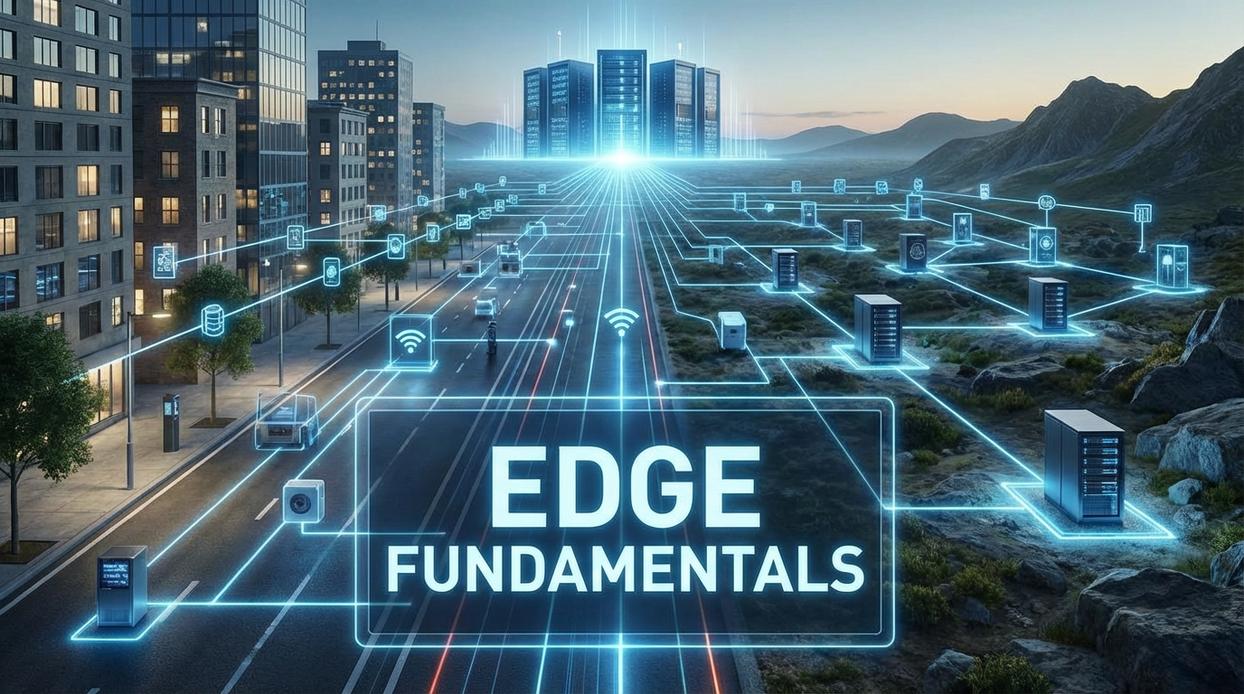
If the cloud is the brain in the sky, the edge is the reflex. Instead of sending every byte of data to a distant data center, devices process information locally—closer to where it’s created. That’s the heart of edge computing basics: faster decisions, lower latency, and less bandwidth strain.
Here’s how that plays out in the real world:
- Smart Manufacturing (IIoT): Sensors on factory machines analyze vibration patterns in real time to predict breakdowns before they happen. This predictive maintenance reduces downtime and avoids clogging corporate networks with raw data (because no one wants a frozen dashboard mid-shift).
- Autonomous Vehicles: Self-driving cars process LiDAR, radar, and camera feeds instantly. Waiting on the cloud would be like buffering during an action scene in Fast & Furious—except the stakes are real.
- Retail Analytics: In-store cameras run edge AI to measure foot traffic and checkout congestion. Managers adjust staffing on the fly while keeping sensitive video data on-site.
- Healthcare Wearables: Devices like ECG monitors detect irregular heart rhythms immediately and send only summarized insights to physicians, improving response times and preserving privacy.
- Content Delivery & Gaming: Edge servers cache streaming and multiplayer data closer to users, cutting lag. Think fewer spinning wheels, more seamless boss battles.
Some argue centralized cloud systems are easier to manage and scale. That’s fair. But when milliseconds matter—or privacy is paramount—local processing wins. In a world trained by instant TikTok loads and zero-lag gaming, waiting simply isn’t an option.
Challenges and the Future Trajectory
Edge computing sounds simple in theory, but the reality is more layered. Let’s clarify the biggest hurdles and where things are headed.
-
The Challenge of Security
Because data is processed closer to devices instead of one central cloud, the system becomes more distributed (spread out across many locations). That means a larger attack surface—more entry points for hackers. Securing thousands of device protocols (communication rules between machines) is far harder than guarding a single data center. -
The Challenge of Management
Updating software across a vast fleet of sensors, cameras, and gateways isn’t like pushing one cloud update. Each device may run different firmware, hardware, or configurations (yes, it’s like herding very technical cats).
Looking ahead, two forces stand out. 5G delivers ultra-low latency (near-instant response time) and high bandwidth, making real-time edge computing basics practical at scale. Meanwhile, Edge AI runs machine learning models directly on devices, enabling smart features—even offline.
Edge computing isn’t kicking the cloud off the stage; it’s giving it a capable sidekick. Instead of one overworked brain in the sky, we get a team effort closer to the action.
- Faster responses
- Lower latency
- Greater reliability
That’s edge computing basics in motion—distributed, balanced, and ready for what’s next.
Mastering What’s Next in Tech
You set out to better understand how emerging technologies, AI tools, and system vulnerabilities are shaping the future—and now you have a clearer path forward. From smarter automation to stronger protocol defenses and edge computing basics, you’ve seen how these moving parts connect to performance, security, and long-term scalability.
The reality is simple: falling behind on tech evolution doesn’t just slow you down—it exposes you to risk, inefficiency, and missed opportunity. Whether it’s unoptimized devices, overlooked machine learning trends, or unaddressed vulnerabilities, the cost of inaction compounds quickly.
Now it’s time to act. Start auditing your current systems, evaluate where AI-driven optimization can create leverage, and strengthen weak protocol points before they’re exploited. Stay proactive instead of reactive.
If you want clear, practical insights that cut through the noise and help you implement smarter tech strategies with confidence, explore our latest resources and tools today. Don’t wait for problems to surface—optimize, secure, and future-proof your systems now.
 There is a specific skill involved in explaining something clearly — one that is completely separate from actually knowing the subject. Laurie Moorestevenor has both. They has spent years working with ai tools and machine learning trends in a hands-on capacity, and an equal amount of time figuring out how to translate that experience into writing that people with different backgrounds can actually absorb and use.
Laurie tends to approach complex subjects — AI Tools and Machine Learning Trends, Core Tech Concepts and Innovations, Device Optimization Hacks being good examples — by starting with what the reader already knows, then building outward from there rather than dropping them in the deep end. It sounds like a small thing. In practice it makes a significant difference in whether someone finishes the article or abandons it halfway through. They is also good at knowing when to stop — a surprisingly underrated skill. Some writers bury useful information under so many caveats and qualifications that the point disappears. Laurie knows where the point is and gets there without too many detours.
The practical effect of all this is that people who read Laurie's work tend to come away actually capable of doing something with it. Not just vaguely informed — actually capable. For a writer working in ai tools and machine learning trends, that is probably the best possible outcome, and it's the standard Laurie holds they's own work to.
There is a specific skill involved in explaining something clearly — one that is completely separate from actually knowing the subject. Laurie Moorestevenor has both. They has spent years working with ai tools and machine learning trends in a hands-on capacity, and an equal amount of time figuring out how to translate that experience into writing that people with different backgrounds can actually absorb and use.
Laurie tends to approach complex subjects — AI Tools and Machine Learning Trends, Core Tech Concepts and Innovations, Device Optimization Hacks being good examples — by starting with what the reader already knows, then building outward from there rather than dropping them in the deep end. It sounds like a small thing. In practice it makes a significant difference in whether someone finishes the article or abandons it halfway through. They is also good at knowing when to stop — a surprisingly underrated skill. Some writers bury useful information under so many caveats and qualifications that the point disappears. Laurie knows where the point is and gets there without too many detours.
The practical effect of all this is that people who read Laurie's work tend to come away actually capable of doing something with it. Not just vaguely informed — actually capable. For a writer working in ai tools and machine learning trends, that is probably the best possible outcome, and it's the standard Laurie holds they's own work to.