
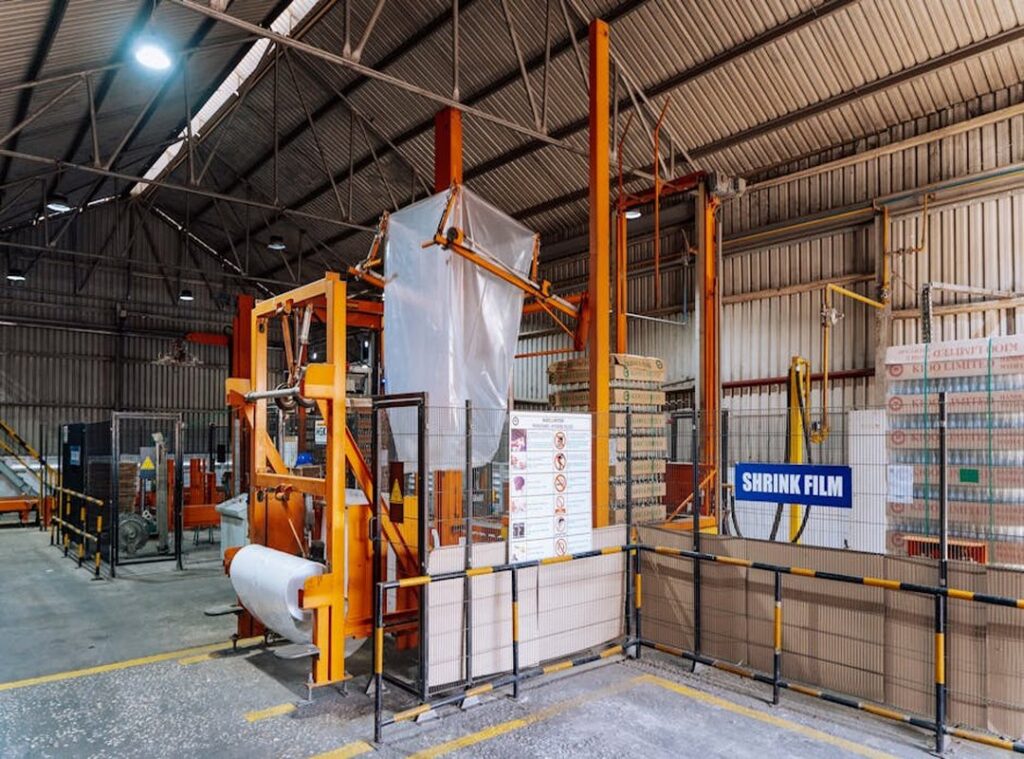
You’re tired of watching pallets pile up because the system can’t keep up.
Tired of walking past half-empty racks while new stock sits on the floor.
Tired of blaming your team for mistakes the layout itself creates.
I’ve spent years inside warehouses just like yours. Not watching from a conference room. Actually standing in the aisles, timing cycle times, watching forklifts stall, counting how many times a picker re-traces their steps.
This isn’t theory. It’s what happens when real people run real operations.
So let’s cut through the buzzwords.
How Automated Storage Works Etrstech (no) fluff, no jargon, no slides full of arrows.
I’ll walk you through every stage: receiving, storing, retrieving, shipping.
You’ll see exactly how it moves, why it fails (and when it won’t), and what changes you actually need to make.
By the end, you’ll know if it fits your floor. Or your budget. Or your people.
What an AS/RS Actually Is (Not Magic)
An Automated Storage and Retrieval System is equipment + controls that move, stash, and grab stuff (fast) and exact.
No forklifts. No walking aisles. No sticky notes on pallets.
I’ve watched people try to run a 200,000-SKU warehouse with paper pick lists. It’s exhausting. And wrong.
AS/RS replaces that chaos with precision timing, fixed paths, and repeatable motion.
Think of it like this: a manual warehouse is a library where one overworked librarian runs between shelves, misreads call numbers, drops books. An AS/RS is the digital archive (you) type “file 7B-44”, and it’s in your hands in 12 seconds.
The goal? Pack more in less space. Move more without more people.
Cut errors before they happen.
That’s why I care about How Automated Storage Works Etrstech (not) as theory, but as working hardware you can touch.
Etrstech builds systems that do exactly this. Not flashy demos. Real steel.
Real uptime.
They don’t sell dreams. They sell motors that spin, sensors that trigger, software that doesn’t crash at 3 a.m.
You want density? You want speed? You want fewer “Where’s that box?” moments?
Then stop optimizing people. Start optimizing the machine.
Inside the Machine: Hardware and Software, Not Magic
I’ve stood in warehouses where the air hums. Not from fans. From movement.
From steel on steel. From shuttles gliding so quiet you hear the whine of their motors before you see them.
That’s the hardware. The skeleton. The muscle.
The blood flow.
High-density racking is the skeleton. It’s not just shelves. It’s welded steel towers, floor-to-ceiling, packed tight.
You feel the weight of it when you walk underneath. Cold. Solid.
Unforgiving if you misload.
Robotic shuttles? That’s the muscle. They don’t clank.
They glide. Low to the ground, humming like a bass note you feel in your molars. Some use cranes instead.
Same job. Different posture. Both lift.
Both place. Both never blink.
Conveyors are the circulatory system. Belts hiss. Rollers click.
Packages slide past your knee at 2.3 mph. Fast enough to blur, slow enough to count. You smell rubber belts warming up.
You see dust settle on unused rollers.
Now. The brain.
It’s not AI whispering into machines. It’s software. A Warehouse Management System.
Or a Warehouse Control System. Call it what you want. It runs the show.
It knows where every tote is. Every second. Not “somewhere in zone B.” Exactly.
Slot 14-C-7. Tote #882941.
It watches how often you pick SKU 7721. If it moves fast, it shuffles it closer to packing. If it sits for weeks?
It buries it deep. No guesswork. Just math and motion.
This is how automated storage works (not) with magic, but with coordination. With timing. With sensors that register a 0.3mm shift in shuttle position.
How Automated Storage Works Etrstech isn’t about robots doing jobs. It’s about humans designing systems that don’t fight physics.
Pro tip: If your conveyors squeak constantly, your WMS can’t fix that. Lubricate first. Then improve.
The software doesn’t care how clean your racks look. It cares how fast it can route a shuttle around a jammed roller.
You want speed? Start with steel that doesn’t flex. Motors that don’t lag.
Code that doesn’t stutter.
A Day in the Life of Your Inventory: From Dock to Door
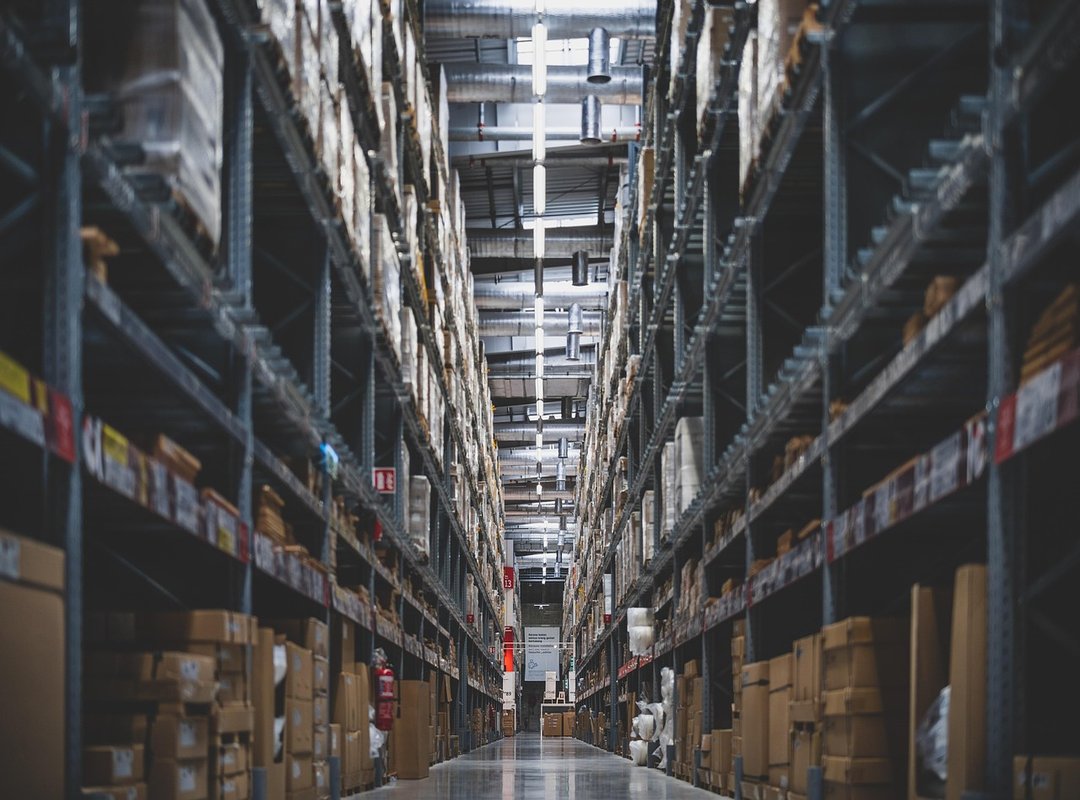
I watch this happen every day. Not on a screen. In real warehouses, with real forklifts and real people.
First, boxes hit the receiving dock. I scan each SKU at a dedicated workstation. The system logs weight, dimensions, batch number (all) in under two seconds.
No paper. No double entry. If the barcode is smudged?
I snap a photo. The OCR works. (Most of the time.)
I wrote more about this in The future of 3d printing etrstech.
Then comes Automated Put-Away. This isn’t magic. It’s math.
The WCS checks live inventory, shelf life, turnover rate, and physical clearance (then) tells the shuttle exactly where to drop the tote. Top shelf? Bottom rack?
Near the outbound conveyor? It picks the spot that saves the most time later. Not the prettiest spot.
The right spot.
You think workers pick orders? Nope. Orders trigger the system.
Totes come to them. Goods-to-person means no walking miles per shift. No guessing where item #4721 lives.
Just a beep, a light, and the right bin sliding into place. Workers stay seated. Backs stay intact.
Orders ship faster.
Dispatch is quiet. No shouting. No bottleneck at packing.
Conveyors move sealed orders straight to labeling, then to loading docks. If a carrier’s truck is delayed, the system holds the pallet (doesn’t) push it out early.
How Automated Storage Works Etrstech isn’t theory. It’s how you stop losing $12/hour on motion waste.
The Future of 3d Printing Etrstech shows what happens when hardware and logic sync up like this (same) principles, different tools.
You’re still using paper pick lists? I get it. But ask yourself: how many hours this week did someone walk past the same shelf three times?
That tote you just scanned? It already knows where it’s going next.
And it won’t forget.
How Features Pay for Themselves. Fast
I’ve watched warehouses bleed money on wasted space and mispicked orders. Then they switched.
High-density racking isn’t just metal stacked high. It’s 85% less floor space used. That’s not theory.
It’s square footage you rent out or convert to production.
Software-controlled retrieval? I’ve seen pick accuracy jump from 92% to 99.9%. One error avoided is one angry customer not calling support.
(And yes, that math adds up.)
Goods-to-Person kills walking time. Workers stop hunting for SKUs. They stay at their station.
Output jumps 2. 3x. Not “maybe.” Not “in ideal conditions.” Real shifts. Real people.
Real-time inventory tracking means no more guessing. No more “We thought we had 500 units” emails at 3 a.m. Stockouts drop.
Overstocking drops. Cash flow breathes.
This isn’t magic. It’s how Automated Storage Works Etrstech. Predictable, measurable, repeatable.
You want proof? Look at what’s changing in adjacent industries. Which Trends Affect shows how fast real-time systems reshape entire sectors. Same logic applies here.
Stop optimizing spreadsheets. Start measuring outcomes.
Your Warehouse Doesn’t Have to Run on Guesswork
Manual processes are choking your growth. You know it. I’ve seen it.
Picking, counting, moving stock by hand isn’t flexible. It’s slow. It’s error-prone.
And it’s costing you time and trust.
How Automated Storage Works Etrstech isn’t about replacing people with robots. It’s about giving your team real-time accuracy. Less rework.
Fewer missed shipments.
You want speed and reliability. Not one or the other.
So why keep patching broken workflows?
Contact our solutions experts for a free consultation. They’ll show you exactly how this works in your space. Not some demo warehouse.
We’re the top-rated team for warehouse automation setups in North America. No fluff. Just what fits your floor plan, your staff, your goals.
Your next move is simple.
Call now.
 Ask Rosemary Smitheosan how they got into ai tools and machine learning trends and you'll probably get a longer answer than you expected. The short version: Rosemary started doing it, got genuinely hooked, and at some point realized they had accumulated enough hard-won knowledge that it would be a waste not to share it. So they started writing.
What makes Rosemary worth reading is that they skips the obvious stuff. Nobody needs another surface-level take on AI Tools and Machine Learning Trends, Core Tech Concepts and Innovations, Device Optimization Hacks. What readers actually want is the nuance — the part that only becomes clear after you've made a few mistakes and figured out why. That's the territory Rosemary operates in. The writing is direct, occasionally blunt, and always built around what's actually true rather than what sounds good in an article. They has little patience for filler, which means they's pieces tend to be denser with real information than the average post on the same subject.
Rosemary doesn't write to impress anyone. They writes because they has things to say that they genuinely thinks people should hear. That motivation — basic as it sounds — produces something noticeably different from content written for clicks or word count. Readers pick up on it. The comments on Rosemary's work tend to reflect that.
Ask Rosemary Smitheosan how they got into ai tools and machine learning trends and you'll probably get a longer answer than you expected. The short version: Rosemary started doing it, got genuinely hooked, and at some point realized they had accumulated enough hard-won knowledge that it would be a waste not to share it. So they started writing.
What makes Rosemary worth reading is that they skips the obvious stuff. Nobody needs another surface-level take on AI Tools and Machine Learning Trends, Core Tech Concepts and Innovations, Device Optimization Hacks. What readers actually want is the nuance — the part that only becomes clear after you've made a few mistakes and figured out why. That's the territory Rosemary operates in. The writing is direct, occasionally blunt, and always built around what's actually true rather than what sounds good in an article. They has little patience for filler, which means they's pieces tend to be denser with real information than the average post on the same subject.
Rosemary doesn't write to impress anyone. They writes because they has things to say that they genuinely thinks people should hear. That motivation — basic as it sounds — produces something noticeably different from content written for clicks or word count. Readers pick up on it. The comments on Rosemary's work tend to reflect that.