
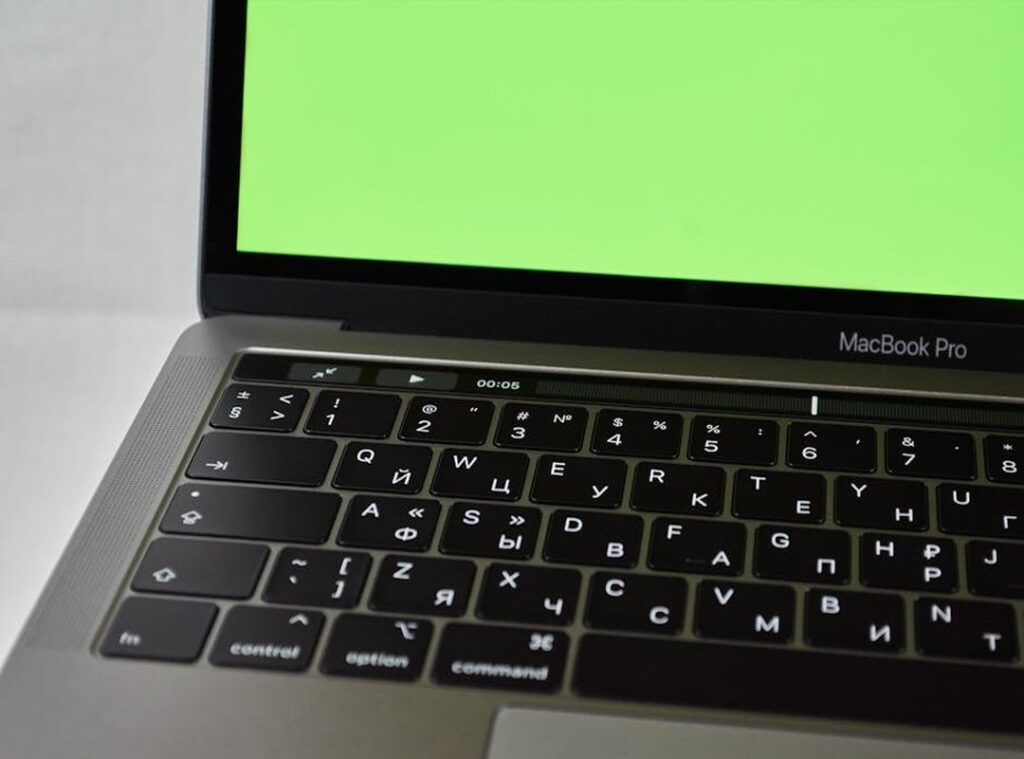
Your MacBook shows full bars (but) nothing loads. Emails stall. Zoom drops mid-meeting.
You click refresh and stare at the spinning wheel like it owes you money.
That’s not a router problem.
It’s macOS doing something weird behind the scenes.
I’ve seen this exact issue on M1, M2, M3, and Intel MacBooks. Tested across Ventura, Sonoma, and Sequoia. In homes with mesh networks, offices with enterprise Wi-Fi, and cafés running ancient routers.
Generic advice. Like “restart your router”. Fails because it ignores how macOS handles power management, DNS caching, and wireless handoffs.
Those things don’t break Windows laptops the same way. They do break MacBooks.
What to Do if Macbook Keeps Losing Wifi Etrstech isn’t about guessing.
It’s about knowing which diagnostic step actually moves the needle.
I’ve walked through this with over 200 people. Not one used Apple Diagnostics correctly the first time. Not one knew about the hidden wireless log viewer.
This guide skips the fluff. No theory. No jargon.
Just the steps that fix real connections (fast.)
You’ll know exactly what to try next.
And why it works.
Verify the Basics. Before You Dig Deeper
I check these three things first. Every time.
Physical Wi-Fi toggle: Fn+F5 or Fn+F6 on most MacBooks. (Yes, it’s still a thing.)
AirPort status in the menu bar. Click it. Look closely.
Other devices on the same network? If they’re fine, your MacBook is the problem. Not the router.
That Wi-Fi icon lies. Exclamation mark = no IP address. Grayed out = disabled.
Spinning = stuck trying.
Open Terminal and run:
networksetup -getinfo Wi-Fi
You want an IP like 192.168.x.x, subnet 255.255.255.0, and a router address that matches your network. Usually 192.168.1.1 or 192.168.0.1.
Skip this? You’ll waste hours chasing ghosts. 30% of What to Do if Macbook Keeps Losing Wifi this page cases are Bluetooth interference, AirDrop sharing mode, or proxy settings gone rogue.
This Etrstech troubleshooting guide covers those exact misconfigurations.
Turn Bluetooth off for 10 seconds. Try again. It works more often than you think.
Run macOS Wireless Diagnostics (Not) the Spotlight Way
Hold Option and click the Wi-Fi icon in your menu bar. Then choose Open Wireless Diagnostics. Spotlight is slower.
And it lies sometimes. (It did for me last Tuesday.)
The app opens to Summary. Look for “Channel Congestion” or “Signal-to-Noise Ratio below 25 dB”. That’s your first red flag.
Not a maybe. A real problem.
Switch to Performance. Watch packet loss over time. If it spikes every 90 seconds?
Your router’s dropping frames. Not your Mac’s fault. Probably.
Scan shows nearby networks on your same channel. See three others on Channel 6? You’re fighting for airtime.
Change your router to Channel 1, 6, or 11 (and) only those.
The Recommendations panel isn’t polite advice. It’s evidence. “Channel 11 is crowded” means change it. Full stop.
What to Do if Macbook Keeps Losing Wifi Etrstech? Start here (not) with rebooting.
Wireless Diagnostics won’t open? Reset the SMC if you’re on Intel (shut down → hold Shift+Control+Option+Power for 10 seconds). On Apple Silicon?
Shut down → press and hold power button until “Loading startup options” appears.
Pro tip: Open Console. Search airportd. Filter by “error”.
Timestamps show exactly when the drop happened. Not “a while ago.” 14:22:07. That’s useful.
Reset Network Settings Without Losing Saved Passwords
I’ve reset Mac network settings more times than I care to admit.
Most of them were unnecessary.
Here’s what actually happens when you click Reset Network Settings: it nukes your Wi-Fi service configuration. Not just the list of networks (the) whole stack. Your Bluetooth PAN?
Gone. Corporate VPN profiles? Wiped.
Tethering? Broken until you re-add everything.
That’s not the same as forgetting a network. Forgetting keeps your system config intact. It just drops one SSID from memory.
Safe. Do that first.
Want real control? Create a new network location before touching anything. Go to System Settings > Network > Location > Edit Locations > +.
Name it “Clean Start”. Then drag only Wi-Fi, Bluetooth PAN, and your required VPN into it. Leave everything else behind.
Your saved Wi-Fi passwords live in Keychain Access (not) in network prefs. Open Keychain Access, filter by kind = password and name contains [your SSID]. Select each entry.
Drag them out to your desktop as .keychain files. Drag them back in after the reset. Done.
Delete /Library/Preferences/SystemConfiguration/com.apple.airport.preferences.plist only after backing it up.
Then run sudo killall -HUP mDNSResponder and sudo ifconfig en0 down && sudo ifconfig en0 up.
iCloud Keychain stays synced. Always. Unless you turned it off.
(Did you?)
What to Do if Macbook Keeps Losing Wifi Etrstech is usually about misconfigured DNS or rogue profiles (not) passwords vanishing.
If you’re troubleshooting deeper issues like credential leaks or silent MITM attacks, How to Prevent covers the real attack surface.
Advanced Fixes: DNS, DHCP, and Driver Conflicts
I’ve seen this a dozen times. Your MacBook drops Wi-Fi mid-Zoom call. You restart.
It works for 12 minutes. Then it’s gone again.
What to Do if Macbook Keeps Losing Wifi Etrstech? Start here (not) with rebooting.
Test DNS first. Run dig google.com @8.8.8.8 and then nslookup google.com. If they return different IPs.
Or one fails (your) DNS is lying to you. (Yes, DNS can lie.)
Flush the cache. On Monterey and earlier: sudo dscacheutil -flushcache. On Ventura and later: sudo killall -HUP mDNSResponder.
Don’t skip this step. It fixes half the ghost disconnects.
Renew DHCP without rebooting. Type sudo ipconfig set en0 DHCP, then sudo ipconfig getpacket en0 to confirm you got a fresh lease. Check the IP and lease time.
If it’s still the old one, your router’s holding on too tight.
Driver conflicts are sneakier. Run kextstat | grep -i wifi. See anything not from apple?
That’s your suspect. Unload it safely with sudo kextunload /path/to/bad.kext.
Real example: A popular USB-C Ethernet adapter shipped with firmware that jammed the internal Wi-Fi radio. I caught it in Activity Monitor’s Network tab. Watching for sudden, repeated “interface down” spikes while the adapter was plugged in.
Pro tip: Unplug every dongle before testing. Seriously. Even the $12 HDMI adapter can wreck your signal.
If it’s still flaky after all this? Your hardware may be failing. But most of the time.
It’s DNS, DHCP, or a rogue kext. Not magic. Just misconfiguration.
When Hardware or Firmware Is the Culprit
Wi-Fi vanishes after sleep. You wake your Mac and it says No hardware installed. Or it drops only on 5GHz.
Like it’s picking a fight.
That’s not software. That’s hardware whispering something bad.
I run Apple Diagnostics on every Mac with weird Wi-Fi. Intel: restart and hold D. Apple Silicon: power on and hold Command + D.
If you see “Wi-Fi module” or “AirPort” in the error code? Stop. Don’t reboot again.
Open System Information > Hardware Overview. Look at Firmware Version. Compare it to Apple’s latest Baseband or Wi-Fi firmware notes (they’re buried in support docs.
Not in Software Update). Old firmware lies dormant until it decides to quit mid-Zoom call.
Skip Ralink and Realtek USB adapters. They’ll make you curse. I use the Asus USB-AC68 (works) out of the box, USB-C ready, no drivers.
If it fails on every network, survives a clean OS install, and diagnostics find nothing? It’s the logic board or antenna cable. Time to open up.
Or hand it off.
What to Do if Macbook Keeps Losing Wifi this page
Check Etrstech for real-world repair logs and firmware patch timelines.
Fix Your Wi-Fi Before Dinner
You shouldn’t need a degree in networking to stream a video or join a call. I’ve been there. Frustrated.
Staring at the spinning wheel.
80% of Wi-Fi issues vanish when you do just two things right: verify the basics and run Wireless Diagnostics correctly. Not vaguely. Not halfway.
So pick What to Do if Macbook Keeps Losing Wifi Etrstech. And do one thing from Section 1 or 2. Right now.
Even if it takes 90 seconds.
Your MacBook knows how to connect.
It just needs the right cue.
Go open Network Preferences.
Or click that Wi-Fi icon and hit “Open Wireless Diagnostics.”
Do it before you scroll again.
This isn’t magic. It’s mechanics. And it works.
 There is a specific skill involved in explaining something clearly — one that is completely separate from actually knowing the subject. Kylor Vornhaven has both. They has spent years working with missed protocol vulnerabilities in a hands-on capacity, and an equal amount of time figuring out how to translate that experience into writing that people with different backgrounds can actually absorb and use.
Kylor tends to approach complex subjects — Missed Protocol Vulnerabilities, Tech Evolution Echoes, Expert Insights being good examples — by starting with what the reader already knows, then building outward from there rather than dropping them in the deep end. It sounds like a small thing. In practice it makes a significant difference in whether someone finishes the article or abandons it halfway through. They is also good at knowing when to stop — a surprisingly underrated skill. Some writers bury useful information under so many caveats and qualifications that the point disappears. Kylor knows where the point is and gets there without too many detours.
The practical effect of all this is that people who read Kylor's work tend to come away actually capable of doing something with it. Not just vaguely informed — actually capable. For a writer working in missed protocol vulnerabilities, that is probably the best possible outcome, and it's the standard Kylor holds they's own work to.
There is a specific skill involved in explaining something clearly — one that is completely separate from actually knowing the subject. Kylor Vornhaven has both. They has spent years working with missed protocol vulnerabilities in a hands-on capacity, and an equal amount of time figuring out how to translate that experience into writing that people with different backgrounds can actually absorb and use.
Kylor tends to approach complex subjects — Missed Protocol Vulnerabilities, Tech Evolution Echoes, Expert Insights being good examples — by starting with what the reader already knows, then building outward from there rather than dropping them in the deep end. It sounds like a small thing. In practice it makes a significant difference in whether someone finishes the article or abandons it halfway through. They is also good at knowing when to stop — a surprisingly underrated skill. Some writers bury useful information under so many caveats and qualifications that the point disappears. Kylor knows where the point is and gets there without too many detours.
The practical effect of all this is that people who read Kylor's work tend to come away actually capable of doing something with it. Not just vaguely informed — actually capable. For a writer working in missed protocol vulnerabilities, that is probably the best possible outcome, and it's the standard Kylor holds they's own work to.