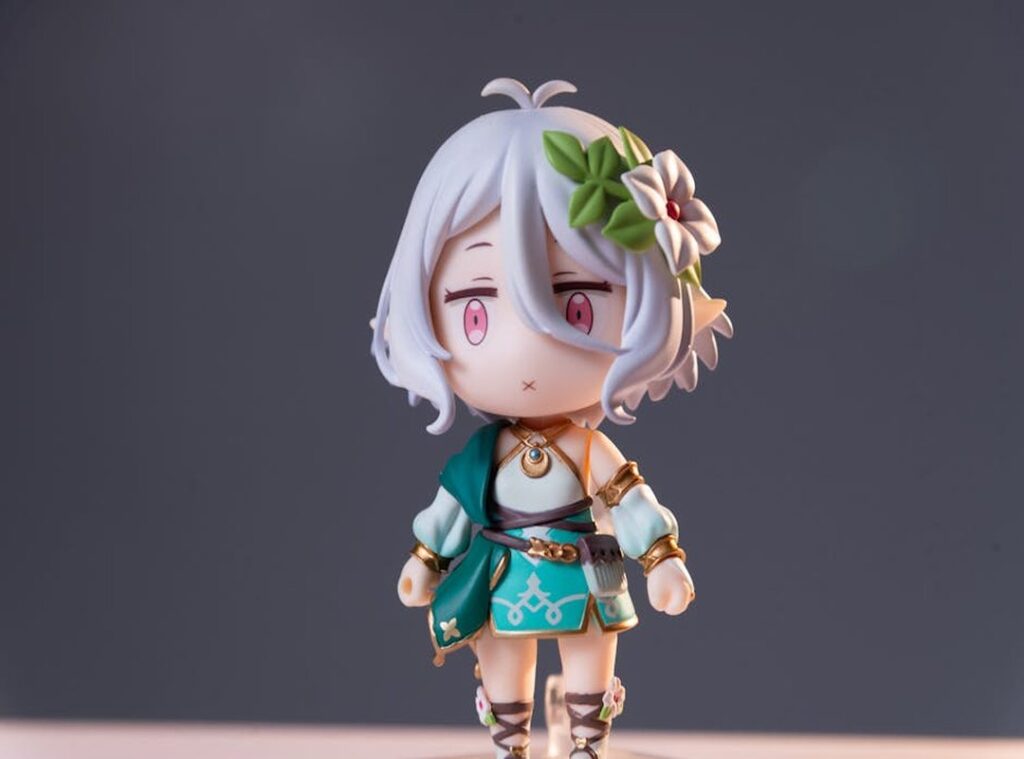
Drawing chibi kawaii characters can be a real challenge. You want them to be cute, expressive, and full of life. But getting the right proportions and dynamic poses?
That’s where many artists hit a wall.
I’ve been there too. It’s frustrating when your characters look off or lack that spark. poses chibi kawaii bases de dibujo can make all the difference.
This guide is here to help. I’ll share my experience and give you the tools you need. Let’s dive in and create some adorable and lively chibi kawaii art.
Understanding Chibi Kawaii Style
Defining Chibi Kawaii: What makes this style unique and appealing? Large heads, small bodies, and cute expressions, and it’s all about the cuteness and simplicity.
Key Elements: Proportions, facial features, and body language that define the chibi kawaii aesthetic. The large heads and tiny bodies are a must. Add in those big, expressive eyes and you’ve got it.
Historical Context: A brief overview of the origins and evolution of chibi kawaii art. This style has roots in Japanese manga and anime. Over time, it’s become a global phenomenon, loved by artists and fans alike.
When I first started drawing chibi kawaii, I made a lot of mistakes. I thought just making the head big was enough. Wrong.
The proportions need to be right, or it looks off.
I also struggled with the facial features, and they need to be simple yet expressive. Too much detail can ruin the charm.
Another mistake was not paying attention to body language. Poses chibi kawaii bases de dibujo can make or break the character. A slight tilt of the head or a playful stance can bring your character to life.
Learning from these errors, I realized the importance of practice and observation. Watching tutorials and studying other artists’ work helped me improve. So, if you’re new to this, don’t get discouraged.
Keep at it, and you’ll see progress.
Essential Tools and Materials
When it comes to traditional tools, pencils, erasers, sketchbooks, and markers are your go-to. They’re simple, reliable, and perfect for getting those initial ideas down.
For digital artists, you can’t go wrong with a good tablet and stylus. Software like Procreate or Clip Studio Paint is a must. These tools give you the flexibility to experiment and refine your work in ways that traditional media can’t.
Finding the right reference materials is key. Use poses chibi kawaii bases de dibujo for cute, expressive characters. Reference images and pose libraries can help you get the anatomy and expressions just right.
Remember, the best tool is the one you feel most comfortable with. Try out different options and see what works for you.
Basic Chibi Kawaii Proportions
When it comes to drawing chibi kawaii characters, the head-to-body ratio is key. Typically, you want a 2:1 or 3:1 head-to-body ratio. This makes the character look adorably small and cute.
Now, let’s talk about facial features. Place the eyes, nose, and mouth in a way that gives your character a cute and expressive look. Big, round eyes are a must.
They add that extra charm.
For the body structure, keep it simple. Simplify the body to maintain the chibi kawaii style. You don’t need to go into too much detail.
Just enough to make them recognizable and adorable.
Tips for Drawing Chibi Kawaii Characters
Use poses chibi kawaii bases de dibujo as a starting point. These can help you get the proportions right and give you a solid foundation to build on.
Remember, practice makes perfect, and try different poses and expressions. See what works best for you.
And most importantly, have fun with it!
Creating Dynamic Poses
Drawing chibi characters in motion can be a lot of fun. Action Poses like running, jumping, and dancing bring your characters to life.
Think about the last time you saw a really dynamic chibi character. What made it stand out? It was probably the way the artist captured the movement.
For Emotional Poses, it’s all about the body language and facial expressions. A slight tilt of the head or a raised eyebrow can convey a whole range of feelings.
How long did it take you to get that right? For me, it took a few weeks of practice to nail down the subtleties.
Interaction Poses are where things get even more interesting. Drawing chibi characters interacting with each other or objects adds a layer of storytelling.
You can show a character handing something to another, or maybe two characters sharing a laugh. These interactions make your art feel more real and relatable.
Poses chibi kawaii bases de dibujo are great starting points. They give you a solid foundation to build on.
Pro tip: Always start with a light sketch and refine as you go. This way, you can make adjustments without erasing too much.
If you want to dive deeper into drawing techniques, check out Llekomiss. They have some great resources and tutorials.
Using Reference Poses Effectively

Finding the right references can make or break your chibi kawaii art. I like to use online databases, books, and tutorials. They’re full of poses that can spark your creativity.
When you find a good reference, don’t just copy it. Modify and customize it to fit your character’s style and personality. This way, your art stays unique and true to your vision.
Practicing with references is key. Try to draw a new pose every day. Consistency is what helps you improve over time.
One tip: Use poses chibi kawaii bases de dibujo as a starting point. Then, tweak them to match your character’s quirks. It’s all about making the pose your own.
Remember, the goal isn’t to replicate exactly but to learn and adapt. So, keep practicing and experimenting. You’ll see your skills grow in no time.
Adding Details and Finishing Touches
Clothing and Accessories: Designing and adding outfits and accessories can really bring your character to life. Think about the texture of a soft, fuzzy sweater or the shine of a metallic bracelet. These small details make a big difference.
Backgrounds and Scenes: Creating simple yet effective backgrounds is key. A bright, sunny day with a few puffy clouds can set a cheerful mood. Or maybe a cozy, dimly lit room with a warm, flickering lamp.
The right background complements your chibi kawaii characters perfectly.
Coloring and Shading: Techniques for adding color and depth are essential. Imagine the smooth feel of a well-blended watercolor or the crisp lines of a marker. These techniques give your drawings that extra pop.
Poses chibi kawaii bases de dibujo can be a great starting point. Play around with different poses to see what feels natural and fun.
Adding these finishing touches is like putting the final pieces in a puzzle. It’s all about making your art look and feel complete.
Perfecting Your Chibi Kawaii Drawings
poses chibi kawaii bases de dibujo are crucial for creating dynamic and expressive characters. They help in adding life and movement to your drawings, making them more appealing.
By following the steps and tips provided, you can master the art of chibi kawaii drawing. Practice regularly and don’t be afraid to experiment. This will help you develop your unique style and bring your chibi kawaii characters to life.