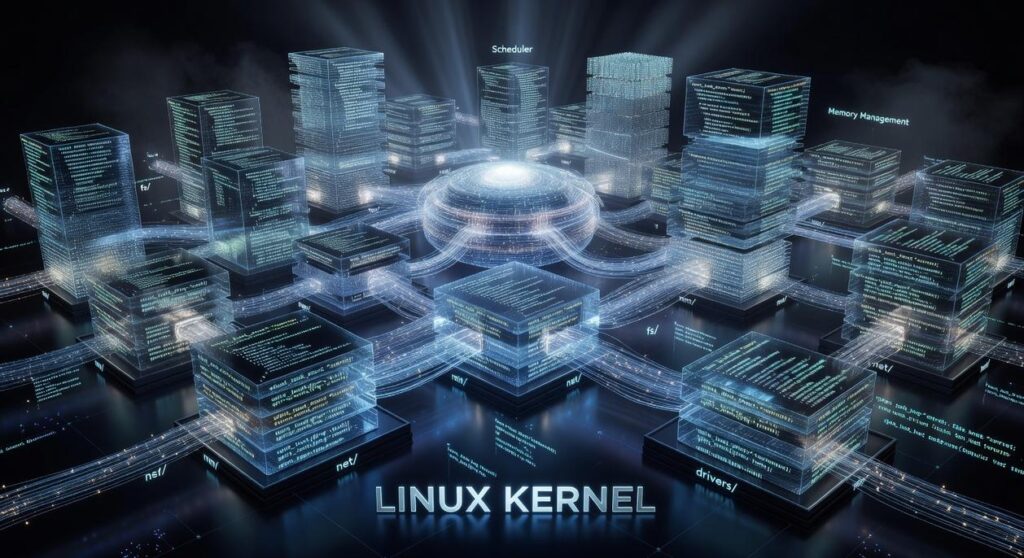
Technology evolves faster than most of us can track. From rapid advances in artificial intelligence and machine learning to newly discovered protocol vulnerabilities and smarter device optimization strategies, staying informed isn’t optional—it’s essential. If you’re here, you’re likely looking for clear, reliable insights that cut through the noise and explain what today’s tech shifts actually mean for developers, security professionals, and forward‑thinking users.
This article explores the forces shaping modern innovation, grounded in real-world analysis of AI tools, emerging machine learning trends, and lessons drawn from open source software history. By connecting past breakthroughs to present-day challenges, we provide context that helps you anticipate what’s next rather than simply react to it.
Our insights are built on continuous research, hands-on evaluation of evolving technologies, and close monitoring of security disclosures and performance benchmarks—so you can make informed decisions with confidence in a rapidly changing digital landscape.
From Niche Philosophy to Global Infrastructure
As the rise of open source continues to reshape the software landscape, innovative projects like Oxzep7 Python demonstrate how collaboration and transparency are driving unprecedented advancements in technology – for more details, check out our New Software Oxzep7 Python.
Open-source software (OSS) quietly powers most of the world’s servers, smartphones, and cloud platforms. What began as a fringe philosophy now underpins critical digital infrastructure. This article traces that evolution—and asks a pressing question: How did a collaborative model built on shared code overtake a fiercely competitive, multi-trillion-dollar industry?
Skeptics argue proprietary software ensures quality and profit incentives. Fair point. Yet open source software history shows collaboration often outpaces closed silos in speed and security.
Consider its rise:
- Academic code-sharing roots
- Enterprise adoption
- Cloud and AI dominance
Turns out, sharing scales.
The Ideological Roots of Collaborative Code
In the early days of university labs like MIT, programming wasn’t a product—it was a practice. Researchers shared source code (the human-readable instructions behind software) freely, improving each other’s work like scientists swapping lab notes. This cooperative ethic forms a core chapter of open source software history in the section once exactly as it is given.
Then came Richard Stallman and the GNU Project. Frustrated by locked-down proprietary systems, he formalized the free software philosophy, built on four essential freedoms:
- The freedom to run a program
- The freedom to study and modify it
- The freedom to redistribute copies
- The freedom to improve and share changes
Here’s the key clarification: free as in speech means liberty, not price. Free as in beer means zero cost. (Think “freedom of speech,” not “buy one, get one free.”)
Proprietary companies pushed back, arguing secrecy protected innovation. Critics feared chaos. Supporters countered: collaboration fuels progress—like the Avengers assembling, but for code.
The Linux Kernel: A Revolution in a Hobby Project
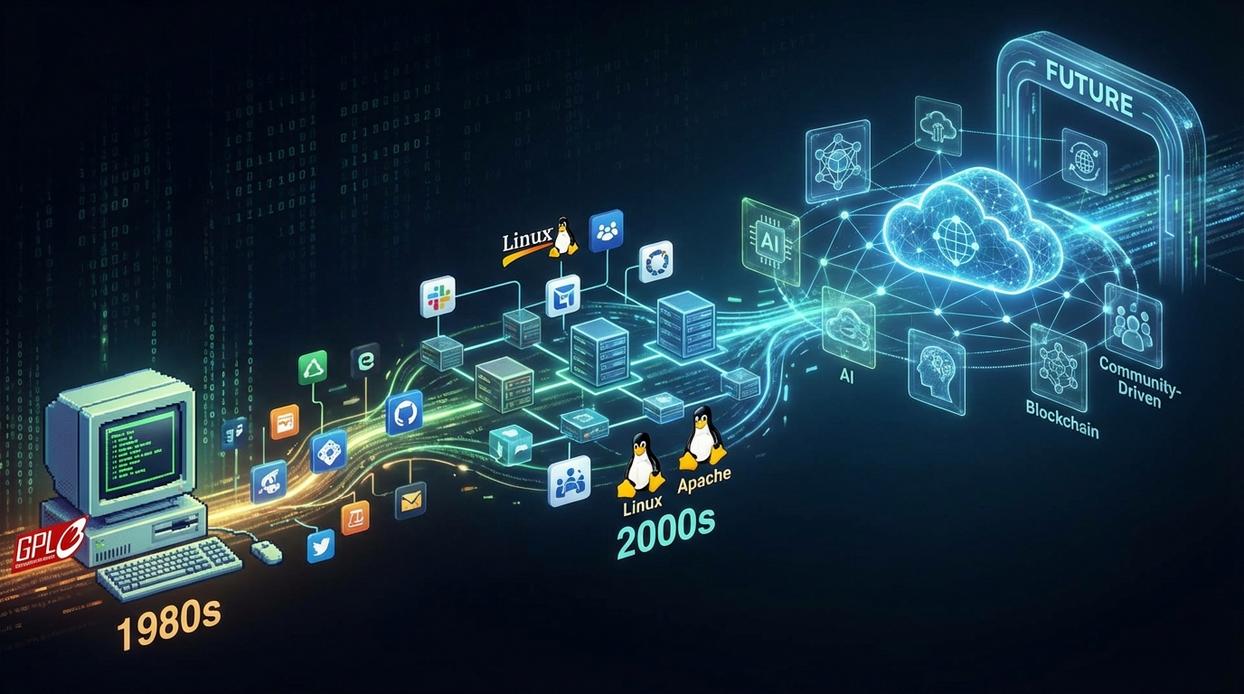
In 1991, Linus Torvalds posted a modest message to an online forum announcing a “hobby” operating system kernel—just for fun. A kernel is the core program that manages hardware, memory, and processes, acting as the bridge between software and silicon. Few could predict that this side project would reshape open source software history.
Critics argued that volunteer-built software could never rival corporate engineering. After all, how could a scattered group of programmers—without formal management—compete with billion-dollar R&D budgets? It sounded like David challenging multiple Goliaths (and without a sword).
Yet Linux embraced the “bazaar” model: a decentralized, transparent development style where anyone could inspect, modify, and improve the code. This contrasted sharply with the “cathedral” model of proprietary software—closed, hierarchical, and slow to adapt.
When combined with the GNU toolset—compilers, libraries, and utilities—the Linux kernel formed the first fully free and viable operating system.
• Rapid iteration replaced rigid release cycles
• Global collaboration outpaced isolated teams
• Peer review strengthened security and stability
Skeptics still claim corporate control ensures quality. But Linux now powers servers, smartphones, and supercomputers, demonstrating that distributed communities can outperform traditional models in both reliability and performance.
Crossing the Chasm: When Business Embraced Open Source
In the early days of open source software history, many businesses saw “free software” as risky, ideological, and unsustainable. After all, if no one pays for the code, how does anyone stay in business? That skepticism was understandable.
Then came the Apache HTTP Server. Powering a majority of early websites (Netcraft surveys consistently ranked it first through the late 1990s and 2000s), Apache proved that collaboratively developed software could be stable, secure, and commercially viable. In other words, it worked—and at internet scale.
However, perception still mattered. The shift from “free software” to “open source” in 1998 wasn’t cosmetic; it reframed the movement around practical benefits like reliability and peer review. This made boardrooms more comfortable (words matter more than we like to admit).
At the same time, Red Hat pioneered a new model: give away the software, sell enterprise-grade support, updates, and certifications. This subscription-based approach showed companies they weren’t buying code—they were buying accountability.
Perhaps the clearest turning point was Microsoft. Once calling Linux “a cancer,” it later became one of the largest contributors to open-source projects. That evolution signaled legitimacy.
If you’re evaluating emerging technologies today, the lesson is simple: watch where enterprise adoption follows community innovation—just as explored in 5 breakthrough technologies that shaped the digital decade.
The Unseen Engine of Modern Technology
Modern technology runs on foundations most users never see. First, consider cloud and DevOps infrastructure. Tools like Kubernetes (an open-source system for automating containerized applications), Docker (software that packages apps into portable containers), and Terraform (infrastructure-as-code for provisioning cloud resources) have become non-negotiable standards. In practice, this means a startup can deploy globally in hours instead of months. If you’re building today, learning these tools isn’t optional—it’s table stakes. Pro tip: start with container basics before jumping into orchestration; Kubernetes makes far more sense once Docker clicks.
Next, the AI boom rests squarely on open foundations. Frameworks like TensorFlow and PyTorch, alongside Python’s data science stack (NumPy, pandas, scikit-learn), power everything from recommendation engines to medical imaging systems. Because these tools are open, researchers iterate quickly and share breakthroughs globally. That’s a major reason AI adoption accelerated so rapidly after 2015 (McKinsey, 2023). In other words, the “AI revolution” isn’t magic—it’s shared infrastructure compounding over time.
Meanwhile, billions of devices rely on open-source operating systems. Android dominates smartphones, while embedded Linux variants power routers, smart thermostats, and factory sensors. This device optimization enables manufacturers to customize systems without reinventing the wheel.
However, transparency cuts both ways. The idea that “many eyes make all bugs shallow” sounds reassuring, yet vulnerabilities like Heartbleed and Log4Shell exposed how under-maintained components can threaten the global internet. Understanding open source software history helps explain both the resilience and fragility of this ecosystem. The lesson? Audit dependencies, track updates, and never assume popularity equals security.
The story of OSS hums like a server room at midnight, a low electric promise. What began as a philosophical ideal—code shared like bread—now forms the bedrock of the digital economy. In open source software history, we can almost hear the clatter of early keyboards and feel the static charge of rebellion in the air.
Yet the glow hides strain. Critical projects, maintained by a handful of volunteers, flicker under financial and security pressure.
• Sustainability feels fragile.
• Corporate priorities tug at community values.
Still, open collaboration crackles with possibility, ready to tackle tomorrow’s hardest problems. For everyone involved.
The Future of Open Collaboration Starts With You
You came here to better understand how open systems evolved, why they matter today, and how they continue to shape modern technology. Now you can clearly see how open source software history laid the groundwork for the tools, platforms, and innovations we rely on every day.
The reality is this: falling behind on open ecosystems, licensing shifts, and community-driven development can leave you exposed—whether that’s security vulnerabilities, outdated workflows, or missed innovation opportunities. The pace of change isn’t slowing down. If anything, it’s accelerating.
The good news? You’re now equipped with the context and clarity to move forward strategically instead of reactively.
Here’s your next step: start auditing the open source tools you rely on, evaluate their maintenance activity and security posture, and integrate forward-looking solutions that align with evolving standards. If you want deeper insights, practical breakdowns, and expert analysis on emerging tech trends and protocol risks, explore more of our research today.
Thousands of tech leaders and developers rely on our insights to stay ahead of vulnerabilities and innovation curves. Don’t wait until gaps become problems—stay informed, stay secure, and take action now.